

How Tequila Is Made – From Agave Field to Your Glass
 Tequila is one of Mexico’s most iconic spirits—a pure expression of the land, tradition, and careful craftsmanship.
True tequila can only be made from the blue Weber agave (Agave tequilana Weber Azul) grown in specific regions of Mexico, primarily Jalisco and limited areas of neighboring states. Here’s a clear look at the traditional process that transforms this remarkable plant into the spirit we know and love.
- Growing and Harvesting the Blue Agave
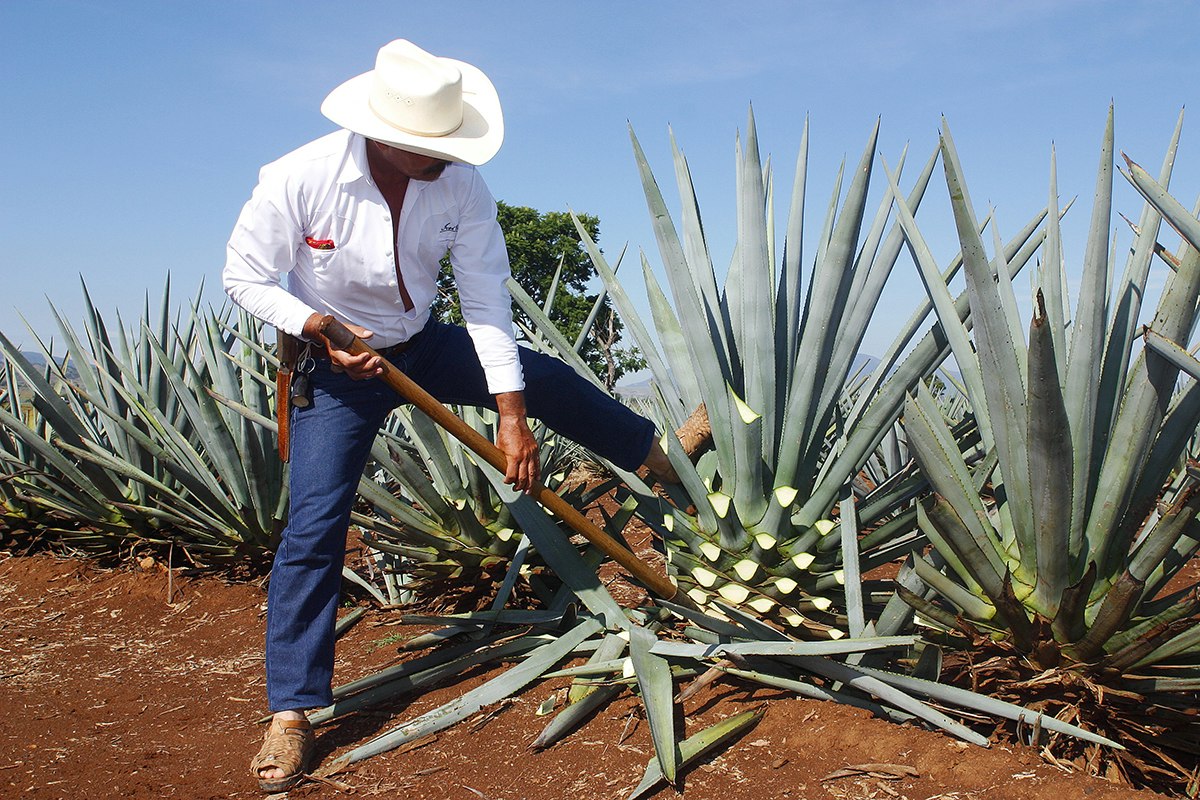
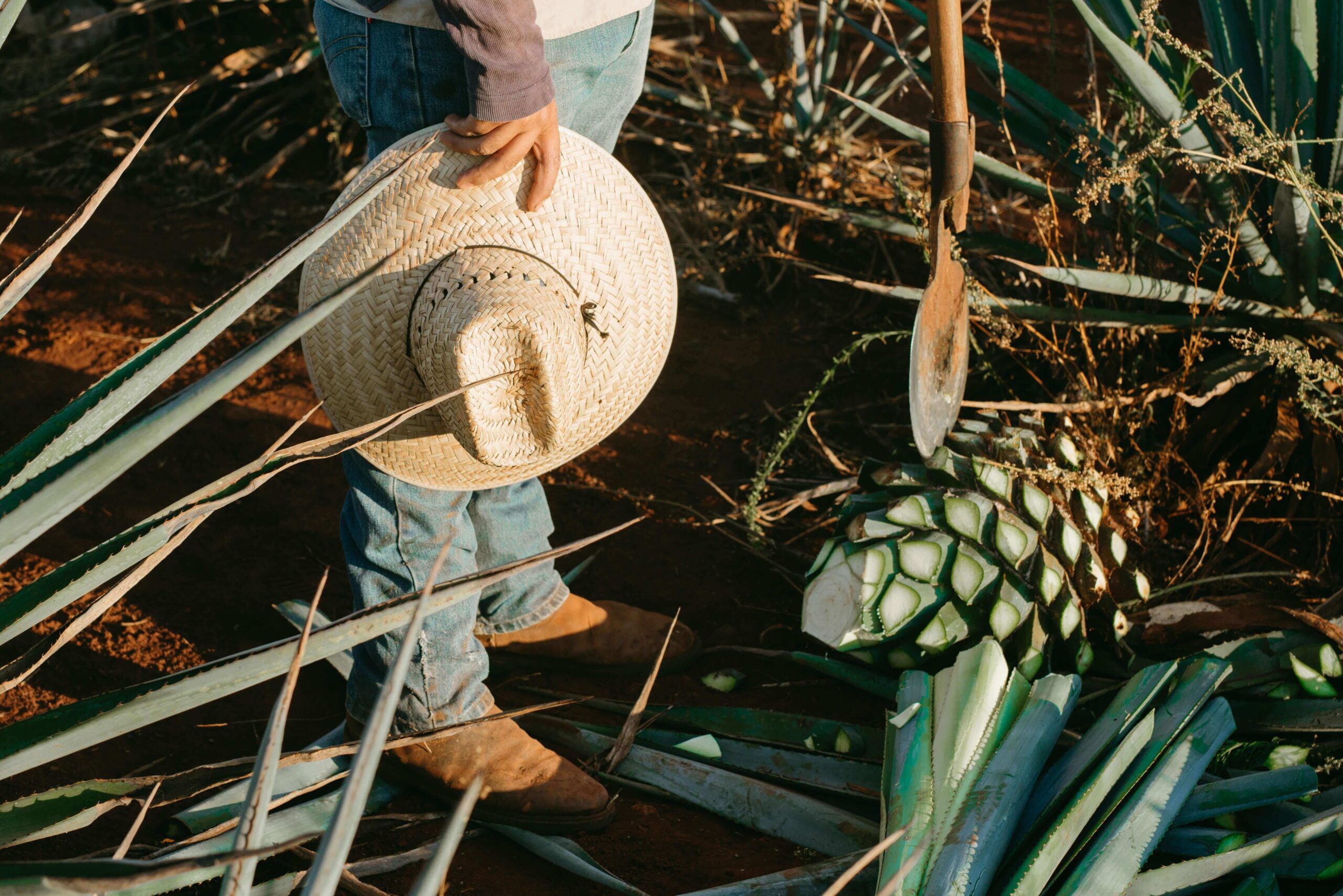
Blue agave plants take 7–12 years to mature in the volcanic soil under the Mexican sun. When the plants are ready, skilled jimadores harvest them by hand using a specialized tool called a coa.
They carefully trim away the long, spiky leaves to reveal the heart of the plant—the dense, pineapple-like piña. Timing is critical: harvest too early or too late and the sugar content suffers.
- Cooking the Piñas
The harvested piñas are transported to the distillery (fábrica), where they are cooked to convert the complex carbohydrates (inulin) into fermentable sugars. Traditional producers use large brick or stone ovens called hornos, slowly steaming the agave for 24–72 hours.
Some modern facilities use stainless steel autoclaves for faster cooking. Slow cooking develops richer, more complex flavors of caramelized agave.
- Crushing and Extracting the Juice
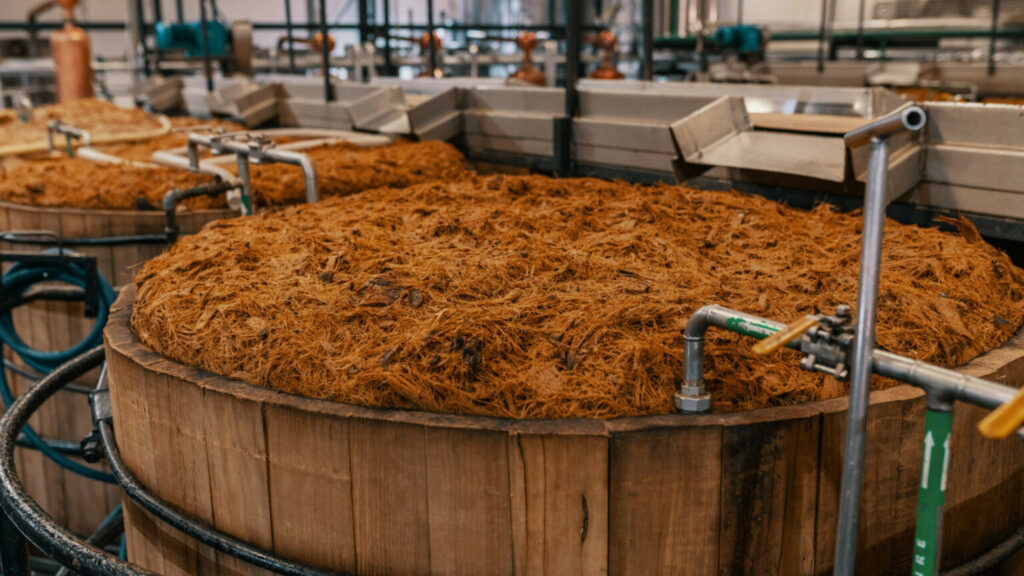
Once cooled, the softened piñas are crushed to release the sweet juice known as aguamiel or mosto. Traditional methods use a large volcanic stone wheel called a tahona, which slowly rolls over the agave in a circular pit.
Many producers today use mechanical roller mills for efficiency. The resulting juice is separated from the fibrous pulp (bagazo).
- Fermentation
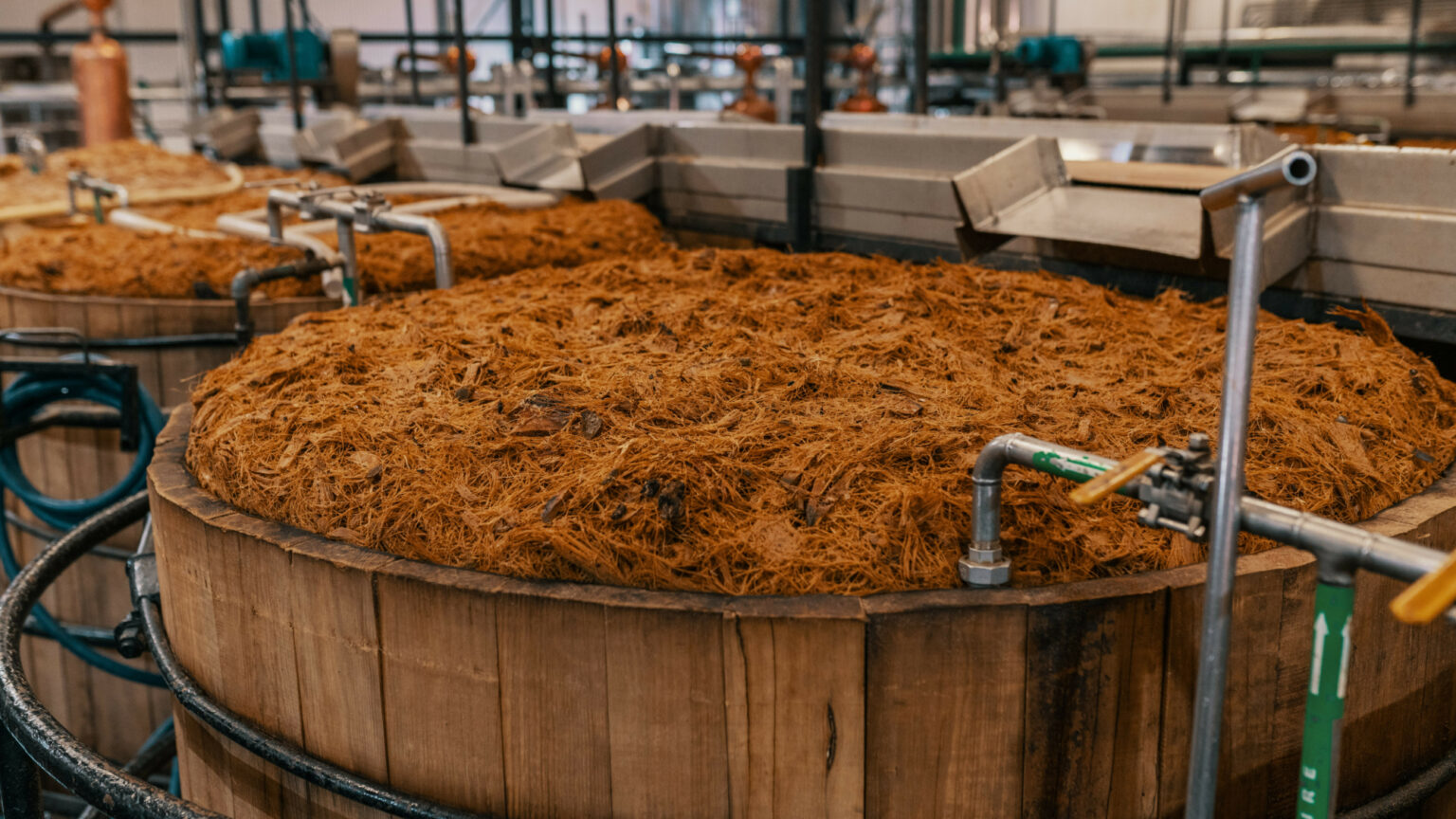
The sweet agave juice is transferred to large tanks (wood, stainless steel, or concrete) where yeast is added. Over several days (typically 24–96 hours), the yeast converts the sugars into alcohol, creating a low-alcohol liquid often called mosto muerto. Natural or wild yeasts and the inclusion of some fibers can add distinctive character.
- Distillation
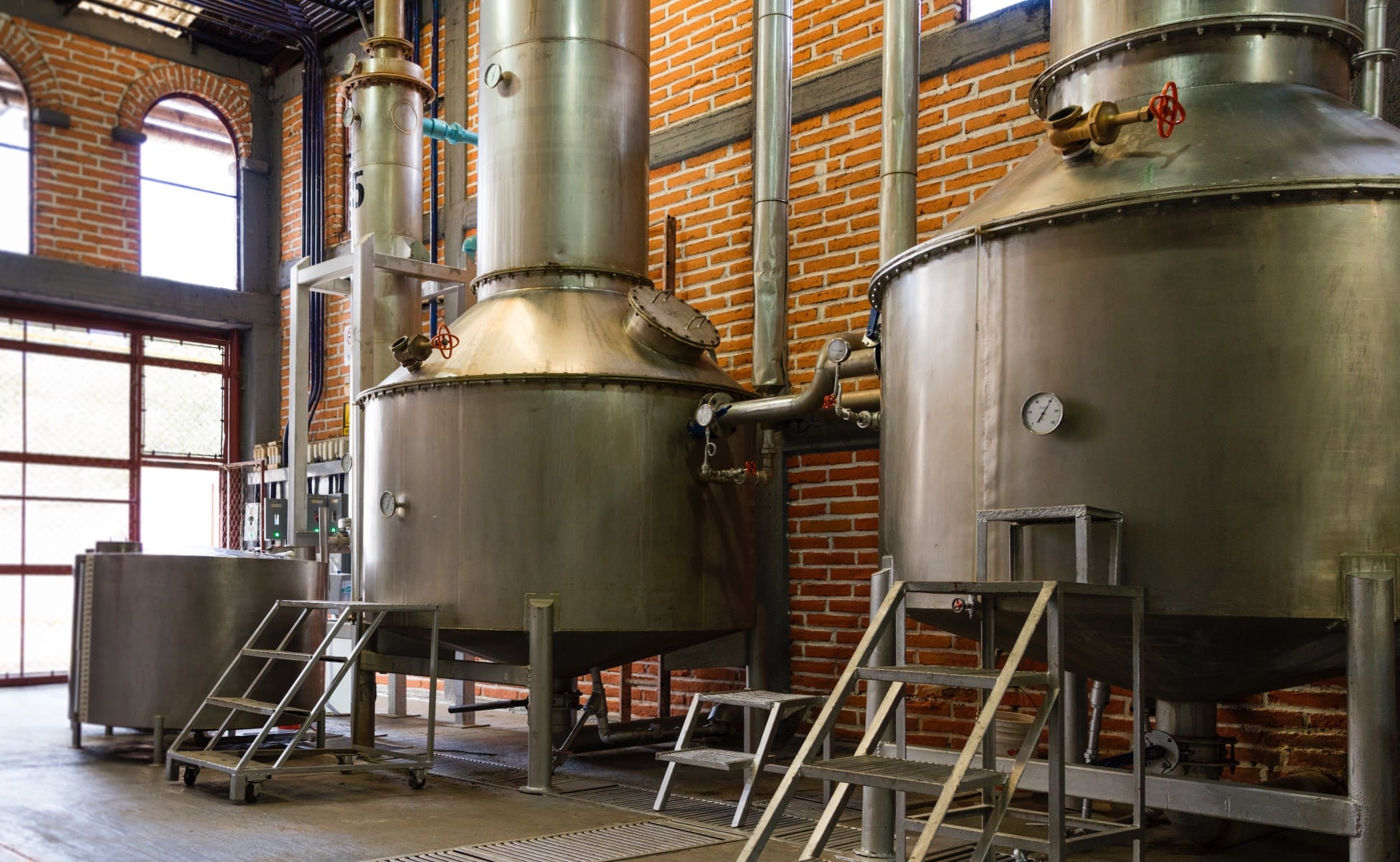
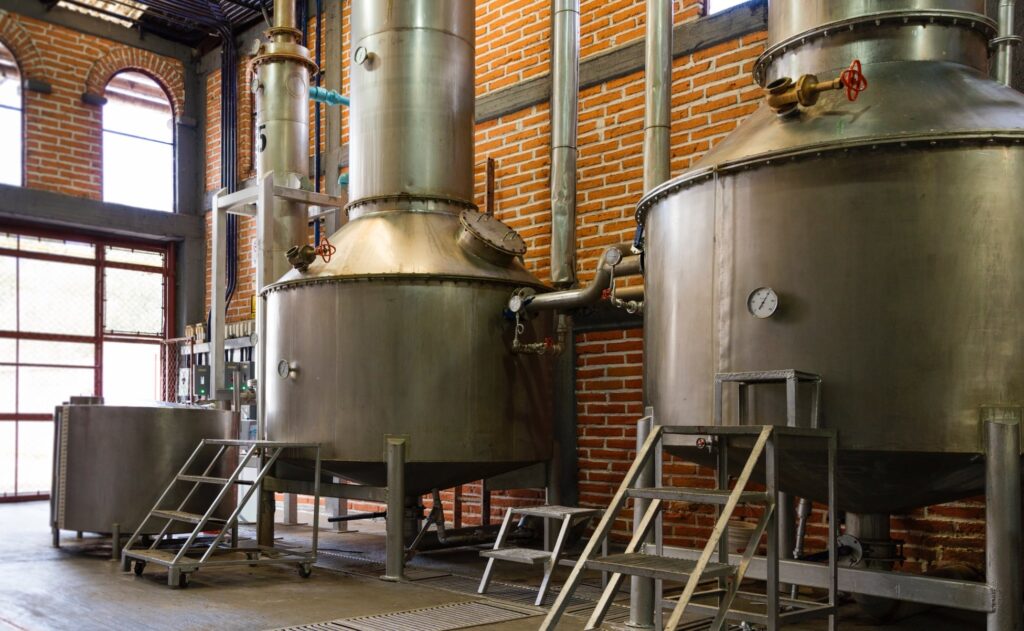
By law, tequila must be distilled at least twice. The first distillation produces a cloudy, lower-proof liquid known as ordinario. The second distillation (rectification) refines it into clear tequila, concentrating the alcohol and purifying the spirit.
Most producers use copper pot stills, though column stills are also used. The final spirit is adjusted to the desired alcohol content (usually 35–55% ABV).
- Aging (or Not)
Blanco (or Plata): Bottled soon after distillation—fresh, bright, and pure agave character.
Reposado: Aged in oak barrels for a minimum of two months, gaining subtle notes of vanilla and spice.
Añejo: Aged at least one year, developing deeper color and richer oak influence.
Extra Añejo: Aged a minimum of three years for complex, smooth, and luxurious profiles.
Only 100% blue agave tequila (not “mixto,” which can contain other sugars) delivers the full, authentic expression of the plant.
Enjoy Authentic Tequila in Lo de Marcos
When you’re ready to taste the results of this careful craftsmanship, head to El Vinatero in the heart of Lo de Marcos.
This welcoming local bar boasts a large and impressive selection of tequilas, wines grown and produced in Mexico, and other spirits, which are perfect for sampling by the glass or sharing with friends.
Many bottles are available for purchase so you can take a special souvenir of your trip home with you.
Whether you prefer a crisp blanco, a smooth reposado, or a complex añejo, El Vinatero offers a great opportunity to explore quality Mexican spirits in a relaxed, authentic setting right in the center of this charming beach town.
Next time you raise a glass of tequila, you’ll appreciate the years of growth, skilled hands, and careful tradition that went into every sip.
Salud!
