

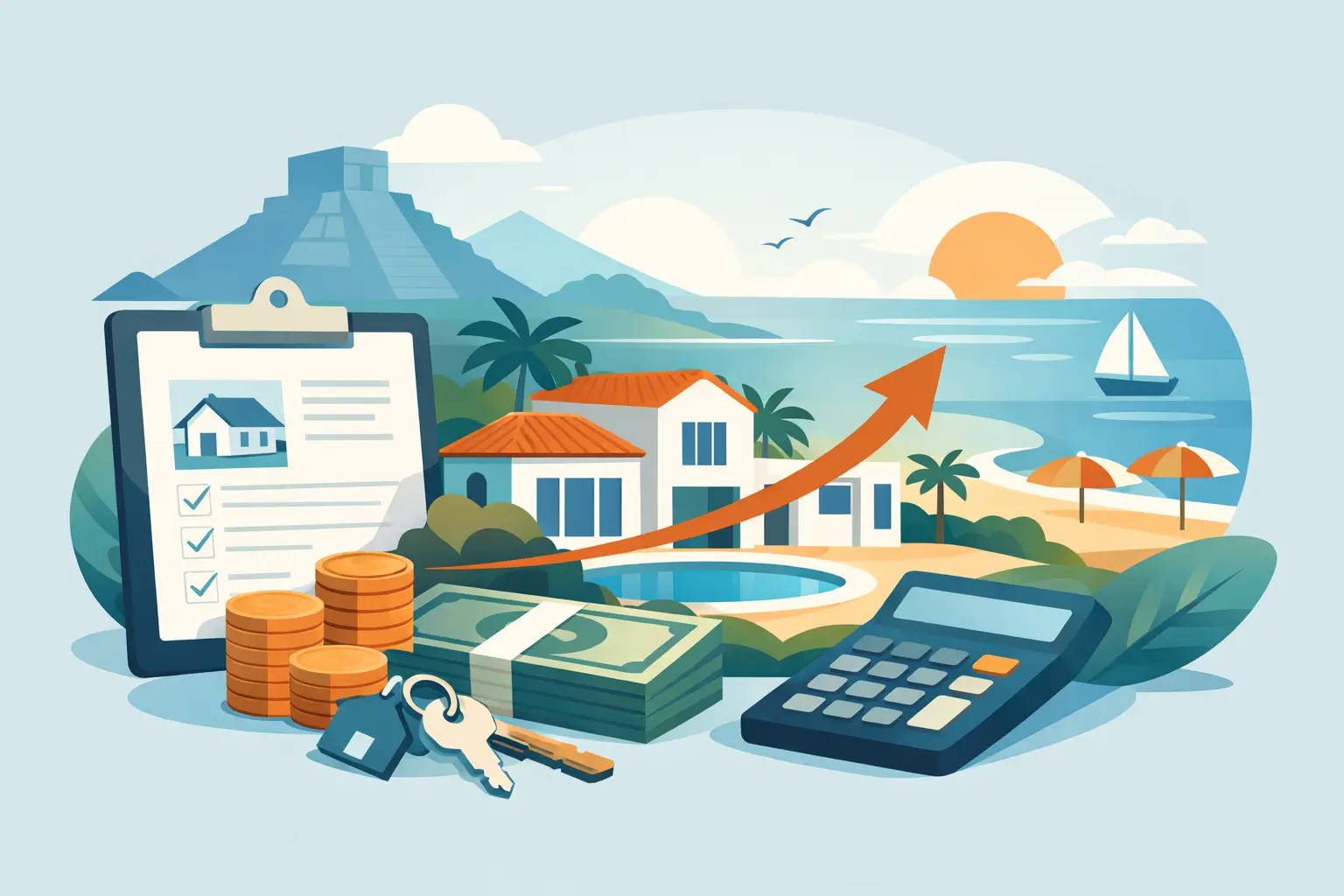
How to Finance Mexico Property With Confidence
A beautiful coastal home can feel very close once you have found the right property. The next question is practical: how to finance Mexico property in a way that protects your budget, fits your timeline, and leaves room to enjoy the lifestyle you came for. For many U.S. buyers, the answer is not a single loan product. It is a financing plan built around available cash, the type of property, income documentation, and comfort with cross-border lending.
Mexico welcomes foreign ownership, including in sought-after coastal areas such as Riviera Nayarit. But the purchase process and lending market work differently than in the United States. A little planning early on can make your offer stronger and your closing far less stressful.
Start With the True Cost of Your Purchase
Before comparing financing routes, determine the full amount you will need to close and own the property comfortably. The purchase price is only one part of the equation. Buyers should also budget for acquisition expenses, which may include transfer tax, notary fees, registration costs, permits, appraisals, legal review, and the setup of a bank trust when applicable.
Foreign buyers purchasing residential property in Mexico’s restricted zone, which includes land near the coast, commonly acquire title through a fideicomiso. This is a renewable bank trust that allows the buyer to hold beneficial ownership rights. The process is well established, but it comes with setup and annual bank fees that belong in the budget from the beginning.
If you plan to use the home as a vacation rental, include furnishing, insurance, utilities, property management, maintenance reserves, and periods when the home may not be booked. Rental income can be meaningful in the right location, but it should not be the only source you rely on to make the numbers work.
How to Finance Mexico Property: Your Main Options
The right choice depends on whether you are buying a completed home, a condo under construction, land, or a property that needs renovation. It also depends on how quickly you want to close and whether you prefer to borrow against assets in the United States or finance directly in Mexico.
Cash Purchase
Cash remains the most common route for foreign buyers in Mexico. It can make an offer more competitive, simplify the transaction, and allow for a faster closing once the title work and required documentation are complete. Sellers often value the certainty of a cash offer, especially in markets with limited traditional mortgage availability.
A cash purchase does not mean sending money before proper due diligence. Funds should move through a documented, secure process coordinated with qualified professionals. Your purchase agreement should clearly identify payment milestones, contingencies, closing conditions, and who holds funds at each stage.
For buyers with substantial liquidity, cash may be the cleanest option. The trade-off is concentration: a large portion of your capital is tied to one property. Some buyers prefer to preserve liquidity for investments, business needs, renovations, or family planning.
Financing Through a Mexican Bank
Mexican banks do offer mortgages to some foreign buyers, though qualification standards, down payment requirements, rates, and loan terms can differ considerably from a typical U.S. mortgage. Borrowers may be asked to provide extensive documentation, including tax returns, bank statements, proof of income, credit history, identification, and details about the property.
Expect the lender to review both you and the home carefully. A larger down payment is common, and the approval process may take longer than a domestic loan. Loan terms can also be less attractive than what a highly qualified borrower might find in the U.S. market.
Still, bank financing can be worthwhile for a buyer who wants to keep more capital invested elsewhere and is comfortable with the underwriting process. It is best to speak with a lender early, not after you have made a time-sensitive offer.
Developer Financing
Developer financing can be especially useful for pre-construction condos, new homes, and some land purchases. Rather than borrowing from a bank, you make scheduled payments directly to the developer during the construction period. A common structure includes an initial deposit, payments at defined construction milestones, and a final balance due at delivery.
This option can be flexible, but the details matter. Review the developer’s record of completed projects, the construction schedule, the specifications, default provisions, and what happens if the project is delayed. A lower initial payment may be appealing, but it does not remove the need to plan for the final payment when the property is ready.
Developer financing generally works best when the buyer has a clear source for the remaining balance, whether that is future cash, a planned asset sale, or financing arranged in the United States.
Borrowing Against U.S. Assets
Many U.S. buyers finance a Mexico purchase by using assets they already own at home. Depending on your financial profile, this may include a home equity loan, home equity line of credit, cash-out refinance, securities-backed line of credit, or another lending arrangement offered by your U.S. financial institution.
This approach can provide familiar underwriting and may offer more competitive terms than a loan secured directly by a Mexican property. It also gives you the ability to present a cash-like offer in Mexico.
The trade-off is straightforward: you are putting a U.S. asset or portfolio at risk. A home equity line may have variable rates, while securities-backed borrowing can be affected by market performance. Review repayment terms carefully with your lender and financial advisor before relying on borrowed funds for an international purchase.
Private Lending and Other Alternatives
Private lenders and specialty cross-border lenders may serve buyers who do not fit conventional bank requirements. These programs can help in certain situations, but they often carry higher rates, shorter terms, origination fees, or stricter collateral requirements.
They are not automatically a poor choice, particularly if timing matters or the property is unusual. They simply require a careful comparison of total borrowing cost, prepayment rules, currency exposure, and the lender’s experience with Mexico transactions. If an offer seems unusually easy or requires rushed payments, treat that as a reason to slow down and seek independent advice.
Match the Financing to the Property Type
A finished, titled home is usually easier to finance than raw land or an incomplete project. Land purchases may involve additional questions about access, utilities, zoning, and future construction plans. A lender may be less willing to finance it, and buyers often use cash or developer terms instead.
For condos, confirm whether the development is fully permitted, how the homeowners association will operate, and what fees are expected after delivery. For a resale home, focus on title history, current tax status, any existing liens, and whether improvements were properly documented.
In every case, financing should support your due diligence rather than rush it. A strong preapproval or proof of funds helps, but it should not pressure you to skip independent legal review or a proper inspection.
Plan for Currency, Timing, and Documentation
Even if your income and savings are in U.S. dollars, many property expenses in Mexico will be paid in pesos. Exchange rates can shift between signing a contract and sending your final funds. Buyers should discuss exchange strategy with a qualified currency professional or bank, particularly for large transfers or phased payments.
Timing matters as well. International wire transfers, bank trust setup, lender underwriting, and document translation can all add days or weeks. Keep your paperwork organized: passport copies, proof of address, bank statements, tax returns, source-of-funds records, and marital-status documents are commonly requested.
Transparency is essential. Mexico has banking and anti-money-laundering requirements, so you should be prepared to document where purchase funds came from. Clear records help avoid delays and give every party confidence that the transaction is being handled correctly.
Build the Right Team Before You Make an Offer
The most reassuring financing plan is one that has been reviewed from more than one angle. A qualified Mexican notary plays a central role in the legal closing process, but buyers should also consider independent legal counsel, a tax professional familiar with cross-border ownership, and a lender or financial advisor who understands the chosen financing structure.
Your real estate representative can help you evaluate which properties and payment structures are realistic for your goals. At Galván Real Estate and Services, that local guidance extends beyond finding the right home. It means helping buyers understand the practical steps that shape a confident purchase, from offer timing to the questions worth asking before closing.
The best financing path is the one that lets you buy with clarity, maintain a healthy reserve, and feel at home in Mexico long after the keys are in your hand.