

How to Buy a Condo in Mexico
If you are wondering how to buy a condo in Mexico, the biggest surprise for most US buyers is that the process is usually more familiar than expected. The difference is not whether you can own property there – you can. The difference is making sure your purchase is structured correctly, the paperwork is verified, and the condo fits both your lifestyle and your long-term plans.
For many buyers, a condo in coastal Mexico starts as a dream and quickly becomes a practical decision. You may want a winter home, a lock-and-leave vacation property, or an income-producing rental. Each goal changes what you should buy, where you should buy it, and how much risk makes sense. That is why the smartest purchases begin well before an offer is written.
How to buy a condo in Mexico without costly surprises
The first step is getting clear on what kind of buyer you are. A retiree who plans to live in the condo for six months a year will evaluate a property very differently than an investor focused on nightly rentals. Before looking at listings, decide whether your priority is personal use, appreciation, rental income, or a mix of all three.
This matters because condo ownership comes with shared rules and shared costs. A beautiful unit may look perfect online, but if the homeowners association limits rentals, has weak reserves, or allows deferred maintenance to build up, it may not serve your goals. The unit is only part of the purchase. You are also buying into a building, a management structure, and a community.
Budgeting should also go beyond the sales price. US buyers sometimes focus on the asking number and underestimate closing costs, annual fees, insurance, furnishing, and setup expenses. If the condo is in a resort or gated community, monthly dues may be higher than expected, but they may also cover security, exterior upkeep, pools, common areas, and other conveniences. Higher fees are not automatically a negative. What matters is whether they are justified, transparent, and well managed.
Understand the ownership structure first
One of the most common questions in how to buy a condo in Mexico is whether foreigners can legally own near the coast. In many cases, yes – but the ownership structure must be set up properly. Properties in the restricted zone, which includes land near the coastline and borders, are commonly purchased through a bank trust called a fideicomiso or through a Mexican corporation in certain investment scenarios.
For most individual buyers purchasing a vacation or second home, the fideicomiso is the standard route. The bank holds the trust, but the buyer remains the beneficiary with the right to use, improve, sell, lease, or pass the property to heirs. It is a legal, established structure that has been used for many years.
A corporation may make sense if the condo is part of a broader business or investment strategy, but it is not automatically the best option just because you plan to rent the property. The right structure depends on how you intend to use the condo, your tax picture, and how you want to hold the asset over time. This is where experienced legal and real estate guidance matters.
Choose the right condo, not just the right view
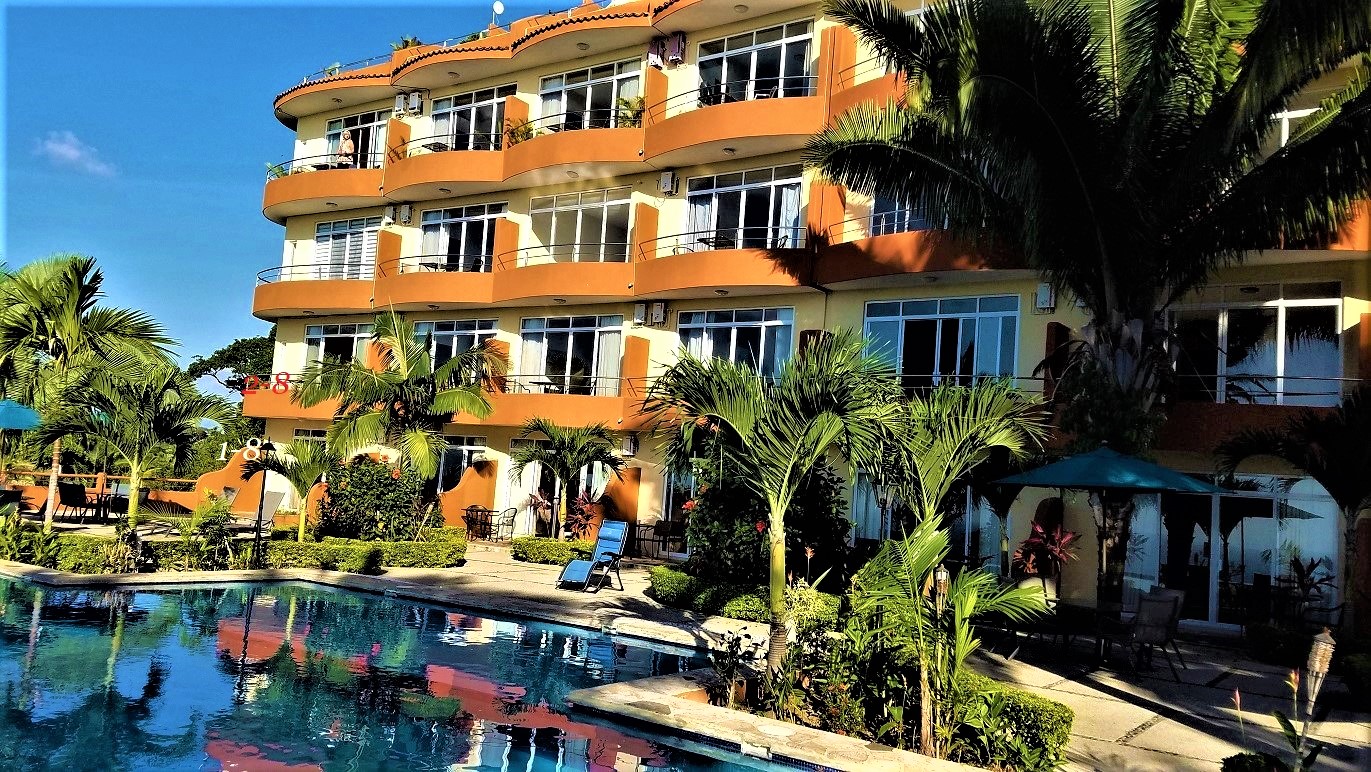
Ocean views sell quickly, but the right purchase is usually more about fit than scenery alone. A well-located condo in a strong building can outperform a flashier unit with weak management. Buyers should look closely at the age of the building, construction quality, reserves, maintenance history, bylaws, parking, storage, pet rules, and rental policies.
If rental income is part of the plan, ask practical questions. What is the typical occupancy in that area? Are short-term rentals allowed by the building? Who manages guest turnover, cleanings, maintenance calls, and check-ins? A condo that looks profitable on paper can become frustrating if building rules or local logistics work against you.
This is one reason many buyers in Riviera Nayarit prefer local guidance rather than trying to piece the process together from afar. Market knowledge is not only about pricing. It is also about knowing which buildings are respected, which communities are stable, and which properties are likely to create headaches after closing.
Due diligence is where good purchases are made
Once you find the right condo, due diligence begins. This is the stage where the legal and practical details are confirmed before the transaction moves forward. In Mexico, this often includes reviewing title, confirming the seller’s right to sell, checking for liens or debts, verifying property taxes and utility accounts, and examining condo regime documents and association rules.
For a condo, due diligence should go deeper than the deed. You want to understand whether the building is in good standing, whether there are special assessments pending, and whether shared expenses are being collected consistently. If a building has low monthly dues but obvious maintenance problems, that can be a warning sign rather than a benefit.
A notary public plays an important role in Mexican real estate transactions, but not in the same way a US buyer may expect. In Mexico, the notary is a highly trained legal professional who formalizes the transaction, verifies documentation, and records the deed. Even so, buyers should still have their own representation and not rely solely on the notary to protect their specific interests.
The offer and closing process
After due diligence begins, the parties usually move through an offer or purchase agreement process that sets out price, deposits, timelines, contingencies, and closing terms. The exact sequence can vary by transaction, especially if the condo is resale versus pre-construction.
With resale property, the timeline is often more straightforward because the unit already exists, and the documents can be reviewed against current conditions. With pre-construction, pricing can be attractive and payment schedules may be flexible, but buyers take on different risks. Delivery dates can shift, finishes can vary, and the final product may not match the earliest marketing materials perfectly. Pre-construction is not inherently risky, but it requires stronger document review and realistic expectations.
Closing costs also deserve attention. They can include acquisition tax, notary fees, trust setup or transfer fees if a fideicomiso is involved, registration costs, and other administrative expenses. These costs vary, so buyers should ask for estimates early rather than waiting until the closing stage.
Currency is another practical factor. If your funds are in US dollars but the transaction is tied to pesos or subject to exchange movement, rate fluctuations can affect the final amount. Sometimes that difference is minor. Sometimes it is not. Planning the transfer strategy early can prevent an unpleasant surprise.
What US buyers should watch most carefully
Many first-time international buyers assume the main risk is legal ownership. In reality, the bigger problems usually come from rushing. Buyers fall in love with a photo set, skip hard questions about the association, or assume all beachfront condos carry the same rental potential. They do not.
The strongest condo purchases usually have four things in place: a clear ownership structure, clean documentation, a building with solid management, and a property that matches the buyer’s actual use case. If one of those is weak, the purchase can still work, but only if the buyer understands the trade-off.
For example, an older condo in a prime location may have stronger appreciation potential than a newer unit farther from the beach, but it may also require more assessment risk. A low-maintenance newer building may feel easier to own, but strict rental rules could limit income. There is rarely a perfect option. There is only the right fit for your priorities.
That is why a service-oriented local team can be so valuable. Galván Real Estate and Services, for example, works with buyers who want more than a property search. They want someone who can help them evaluate the purchase, understand the area, and think through what ownership will look like after the sale.
Buying a condo in Mexico can be a smooth and rewarding move when you approach it with clear goals, patient due diligence, and the right professionals around you. The best property is not the one that looks best on day one. It is the one that still feels like the right decision years later.
For more details on Properties for Sale in Lo de Marcos, send an email to Director@GalvanRealEstatenadServices.com or give us a call at +52 327 275 0233.
