

Why the paint colors used in Mexico are bright and vivid
By Ivania Ramos, Vice President of Property Management for Galvan Real Estate and Services
The bright, vivid paint colors on Mexican buildings stem from a mix of deep historical roots, practical benefits in a sunny climate, cultural expression, and modern influences like tourism. This creates the iconic, colorful streetscapes seen in places like Guanajuato, Campeche, Oaxaca, and many neighborhoods.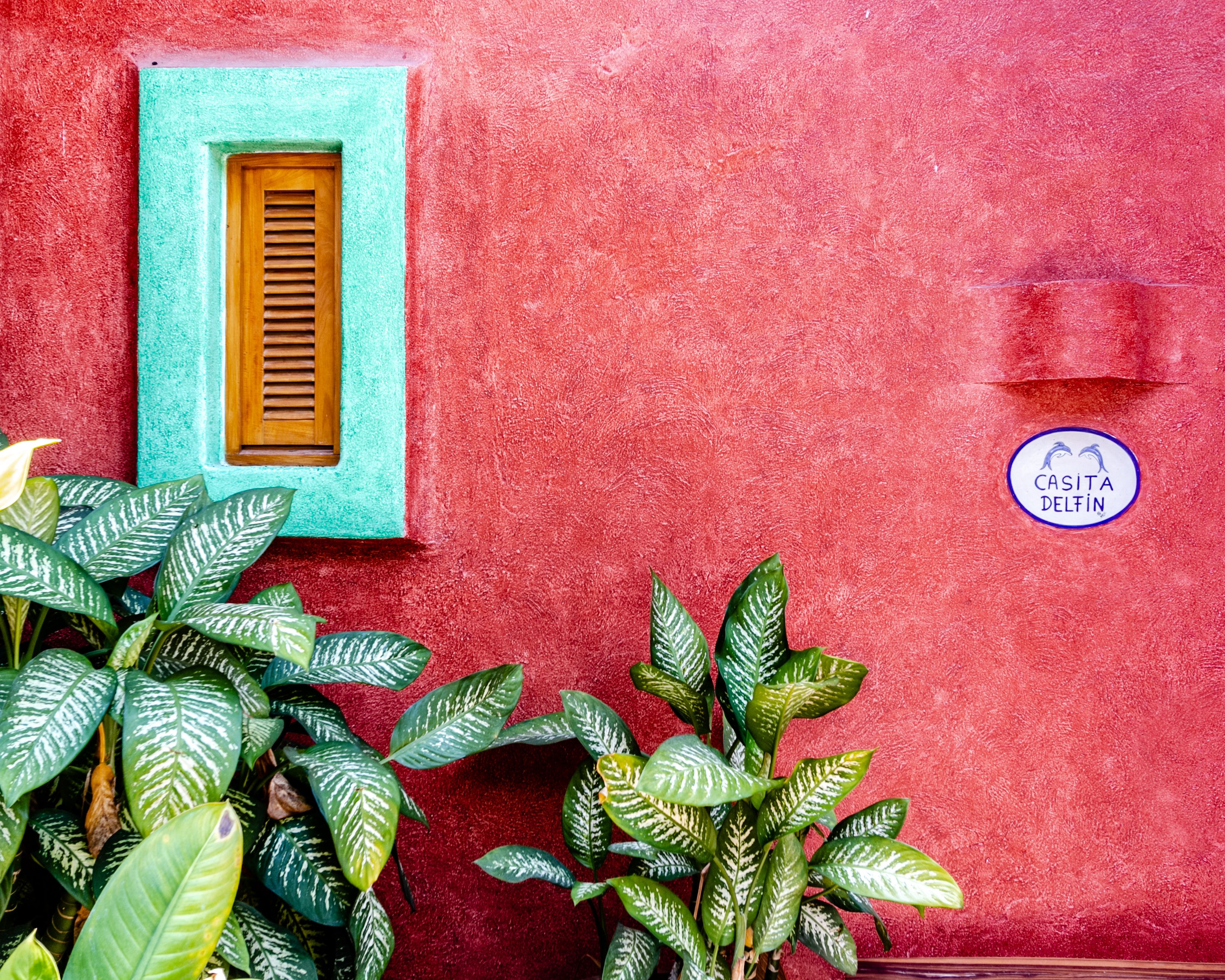
**Pre-Hispanic and Indigenous Traditions
Mexico’s vibrant color use dates back to ancient Mesoamerican cultures (Maya, Aztecs, etc.). They painted temples, murals, ceramics, and textiles with bold hues derived from mineral and organic pigments, such as cochineal red, Maya blue, yellow ochres, and others. Colors carried symbolic weight—linked to gods, nature, rituals, and daily life. Pre-Hispanic builders already applied polychrome techniques to architecture.
Spanish colonizers built on this with stucco covered buildings (often limestone-based, like traditional chukum mixes), which took paint well and allowed for colorful facades influenced by both indigenous and European styles. Bright colors signaled wealth and status.
**Practical Advantages with Mexico’s Climate and glare management
Whitewashed buildings can create intense, blinding glare in strong sunlight. Colored stucco reflects less light while staying cooler and more comfortable. This is useful across Mexico’s varied climates, from tropical coasts to highlands.
**Navigation and identity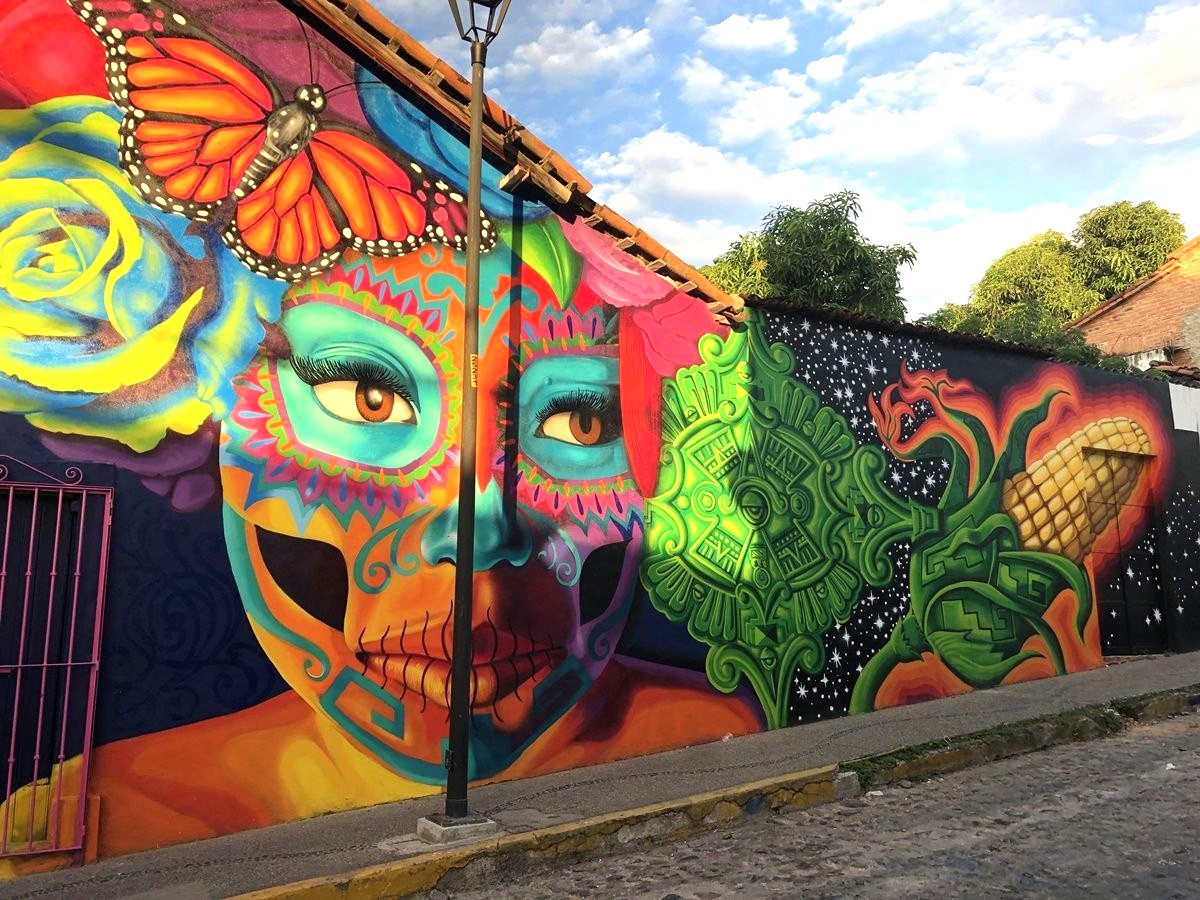
In older or informal areas without formal street addresses, bright house colors help people easily identify homes from afar.
**Durability and availability
Traditional stucco is breathable and suited to humid or hot areas. Modern synthetic paints made saturated, long-lasting colors cheap and widely available, boosting their use in popular neighborhoods. Some government programs even distributed affordable paints, creating uniform vibrant looks in places.
**Cultural and Expressive Reasons
Mexicans often embrace color as part of an optimistic, festive, and emotionally expressive culture—tied to fiestas, markets, food (multicolored corn is sometimes invoked symbolically), art, and daily life. Strong reds, pinks, yellows, blues, oranges, and greens evoke energy, joy, and vibrancy, contrasting with more muted palettes elsewhere.
Architect Luis Barragán and others elevated this in the 20th century, using bold colors (like iconic “Mexican pink”) as deliberate design elements for emotion, space, and cultural identity, influencing modern architecture.
**Tourism and Preservation
Local governments in historic towns often encourage or require traditional vibrant palettes to maintain charm and attract visitors. What started as organic and practical became a promoted aesthetic.
In short, Mexico’s vivid paints aren’t accidental. They blend ancient symbolism, adaptation to intense sun and stucco construction, a love of joyful expression, and deliberate preservation.
For a quote to add a splash of color to your home in Riviera Nayarit, call on the Professional Property Management Team at Galvan Real Estate and services via email Director@GalvanRealEstateandServices.com or call +1 52 327 275 0233.
