



Pet Friendly Rentals in Riviera Nayarit
Traveling with a dog sounds simple until you start reading rental rules. One home welcomes pets but limits size. Another allows one dog but not on furniture. A third says yes to pets, then adds extra deposits, cleaning fees, or breed restrictions. If you are searching for pet friendly rentals in Riviera Nayarit, the best results come from looking beyond the word “pet-friendly” and focusing on the details that shape a comfortable stay for both you and your pet.
For many travelers, bringing a dog is not a small preference. It changes the kind of property that works, the location that feels practical, and the level of support you want before arrival. That is especially true when you are planning a stay in coastal Mexico, where walkability, outdoor space, beach access, and house rules can vary widely from one rental to the next.
What makes pet friendly rentals in Riviera Nayarit truly workable
A rental can technically allow pets and still be a poor fit. The better question is whether the home is set up for real day-to-day living with an animal. A condo on an upper floor may be perfectly comfortable for a couple, but less convenient for a dog that needs frequent walks. A villa with a patio may sound ideal, but if the outdoor area is not enclosed, you may spend the entire trip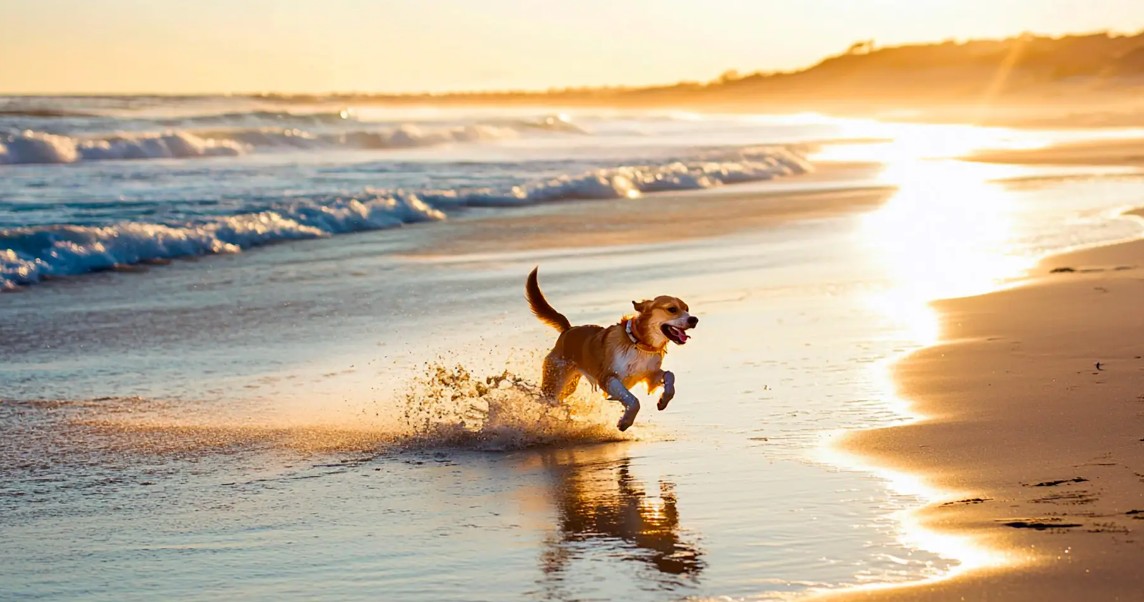 supervising.
The most practical pet-friendly properties usually offer a mix of easy outdoor access, durable interiors, and clear expectations. Ground-floor layouts, private terraces, enclosed yards, shaded exterior areas, and nearby walking routes all make a difference. So does the neighborhood. Some travelers want quiet streets and longer morning walks. Others care more about being close to restaurants where dogs are welcome in outdoor seating areas.
This is where local guidance matters. In a destination market, photos often emphasize views and finishes, while the small functional details get less attention. Those details matter more when a pet is part of the trip.
The questions worth asking before you book
The strongest bookings usually start with a short, direct conversation. A pet policy should never feel vague. If it does, ask more questions before you commit.
Start with the basics: how many pets are allowed, whether there are size or breed restrictions, and whether cats are accepted as well as dogs. Then move into the practical side. Ask if there is a refundable deposit, a nonrefundable pet fee, or added cleaning charges. Confirm whether pets can be left alone in the rental, even for short periods. Some owners are flexible, while others prohibit it due to noise concerns or past damage.
You should also ask about furniture rules, leash expectations in shared spaces, and whether the outdoor area is fully enclosed. If the property is part of a condo development or gated community, HOA-style rules may apply even when the owner personally allows pets.
If your dog is older, anxious, or used to a certain routine, mention that upfront. A good property match is not only about permission. It is about avoiding a stay that feels stressful for everyone.
Choosing the right area for you and your pet
Different pockets of the coast suit different travel styles. Some visitors want a lively beach town where they can walk to coffee, dinner, and the shoreline. Others prefer a quieter residential feel with more space and fewer distractions. Neither is better across the board. It depends on your pet, your schedule, and how you actually plan to spend your days.
For example, travelers with active dogs often prioritize walkable streets, uncrowded areas, and easy outdoor access over being in the busiest zone. Families may care more about privacy, multiple bedrooms, and a yard where a dog can settle in between outings. Longer-stay guests, including retirees and remote workers, usually need a property that works beyond vacation mode. Laundry, shaded outdoor seating, secure entries, and a calmer setting become more important over time.
In Riviera Nayarit, smaller coastal communities can be especially attractive for pet owners because they often offer a more relaxed pace. That can mean easier walks, less traffic, and a more residential rhythm. If you are staying for several weeks or considering a seasonal rental, those lifestyle details are often more valuable than dramatic amenities.
Vacation rental or long-stay rental?
This is one of the most important decisions, and many travelers do not think through it early enough. A short vacation rental may be beautifully designed and well located, but not ideal for a pet if it is heavily furnished, tightly scheduled between guests, or managed with strict turnover procedures. In those cases, the pet fee may be high and flexibility limited.
A longer-stay rental often offers more room to settle in. Owners may be more open to pets if the guest profile is stable and the communication is strong. That said, longer stays sometimes come with more detailed expectations around cleaning, maintenance, and utility use. If you are bringing a pet for a month or a season, make sure you understand not only the pet terms but also how the property will be supported during your stay.
For guests who may eventually buy in the area, a rental can also serve as a real-world trial. Living with your pet in a neighborhood for several weeks tells you much more than a quick tour ever could.
Fees, deposits, and the trade-offs to expect
Pet fees are common, and they are not always a red flag. In many cases, they simply reflect extra cleaning or owner caution. The key is whether the total cost still makes sense for the property and the stay.
Some homes charge a flat pet fee. Others require a security deposit that may be partially or fully refundable. Higher-end properties sometimes take a case-by-case approach based on the size, age, and number of pets. If a rental is especially well suited for animals, with secure outdoor areas and durable finishes, the fee may feel more reasonable than it would in a tightly managed luxury condo.
There is also a trade-off between flexibility and inventory. The most polished homes with premium locations may have stricter rules. More flexible options may be slightly farther from the beach or less design-forward. That does not make them inferior. It just means your priorities need to be clear from the start.
What to look for in the listing itself
A strong listing should answer basic questions without forcing you to guess. Look for clear language about pet approval, fees, and occupancy rules. Photos should show entrances, patios, terraces, and any yard space, not only the living room and primary bedroom. If outdoor areas are important to you, pay attention to walls, gates, and how exposed the space appears.
You can also read between the lines. Listings that mention nearby walking areas, easy beach access, or outdoor living spaces often signal a property that supports a more relaxed daily routine. Listings that emphasize delicate furnishings, strict quiet policies, or highly controlled shared amenities may still allow pets, but they may not be the easiest fit.
Working with a local team can save time here. Instead of screening every listing yourself, you can narrow quickly based on how you and your pet actually live.
Why local support matters with pet-friendly bookings
When you are booking from the US, the challenge is not only choosing a property. It is choosing with confidence from a distance. That is where experienced local representation can make the process smoother. A knowledgeable rental team can clarify rules, confirm details with owners, and help you avoid assumptions that lead to problems after arrival.
This kind of support matters even more with pet stays because the margin for error is smaller. If the yard is not secure, if the building has stricter shared-space rules than expected, or if the beach access is less practical than it looked online, the issue affects your entire trip. A service-oriented company with strong regional knowledge can help match you to a home that works in real life, not just in photos. In that respect, Galván Real Estate and Services brings value beyond inventory alone.
The goal is simple: find a place where you can settle in, enjoy the coast, and not spend your stay negotiating around your dog’s needs.
If you are planning ahead, the best move is to start the conversation early, be specific about your pet, and choose a property with the same care you would use if you were staying for much longer. The right rental lets everyone relax, and that is what a good getaway should feel like.
To find your pet friendly Vacation Rental in Riviera Nayarit, contact the team at Galvan Real Estate and Services via email Director@GalvanRealEstateandServices.com or by phone at +52 327 275 0233.
