

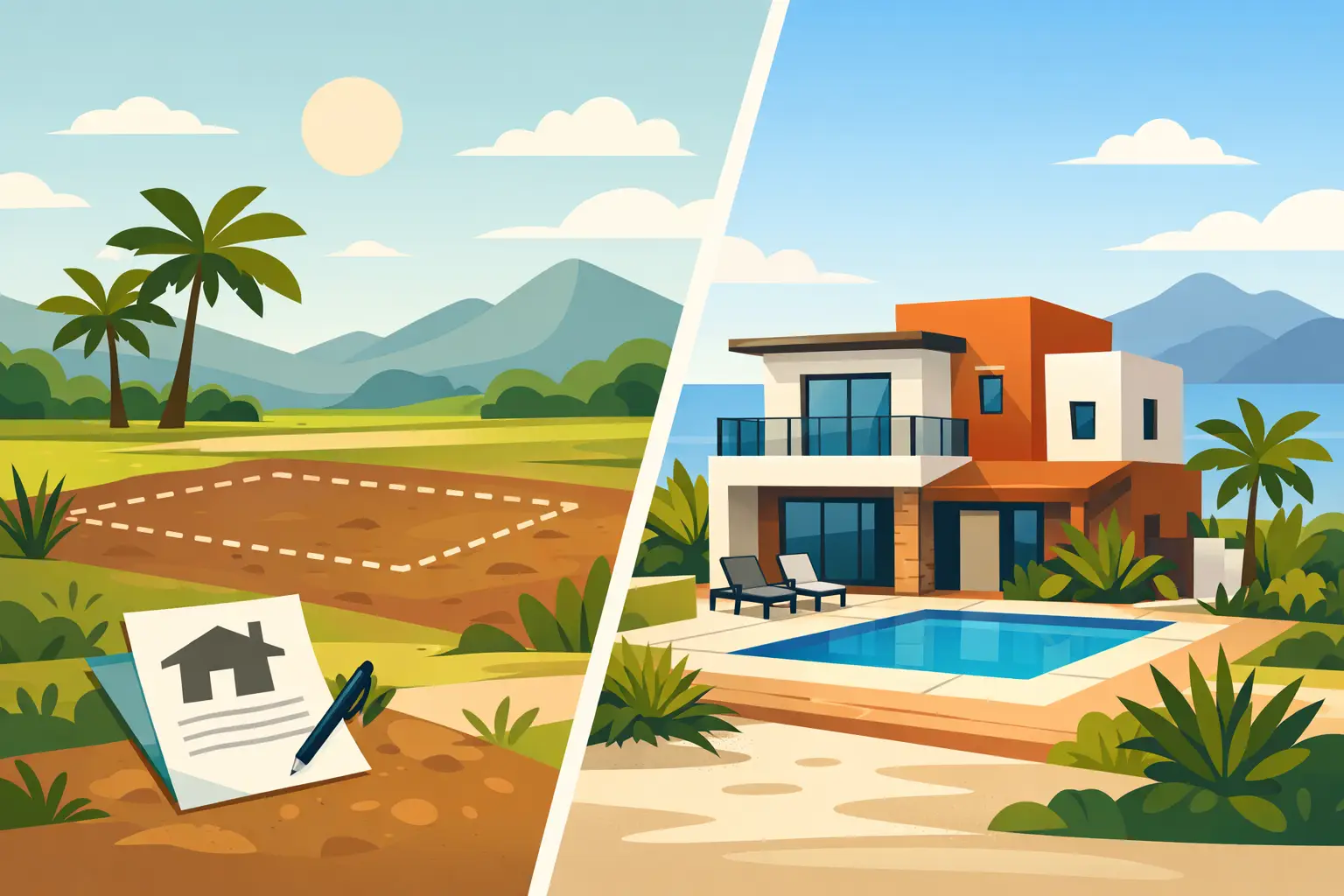
Buying Land vs House in Mexico
A lot of buyers start with a simple picture in mind – a finished home near the beach, a garden, maybe a rental unit, maybe a pool. Then they see a beautiful parcel of land and think, should we build exactly what we want instead? That is the real question behind buying land vs house in Mexico, and the answer depends less on price alone than on your timeline, tolerance for complexity, and long-term plans.
For some buyers, land is the smarter play. For others, a completed home is the better path by a wide margin. If you are looking in coastal areas, where lifestyle matters as much as investment performance, the right choice usually comes down to how hands-on you want to be after closing.
Buying land vs house in Mexico: start with your real goal
Before comparing numbers, define what success looks like. Are you hoping to move in within six months? Do you want a vacation property that can begin generating rental income soon? Are you buying for retirement five years from now and willing to build in phases? Those answers matter more than many buyers expect.
A house gives you something tangible on day one. You can inspect the layout, understand the neighborhood, estimate maintenance, and often use the property right away. Land gives you flexibility, but it also gives you decisions, permits, design work, contractor coordination, and carrying costs while nothing is yet producing income.
Neither option is automatically better. The better option is the one that fits your budget, schedule, and comfort level with managing a project in another country.
Why buying a house is often the easier choice
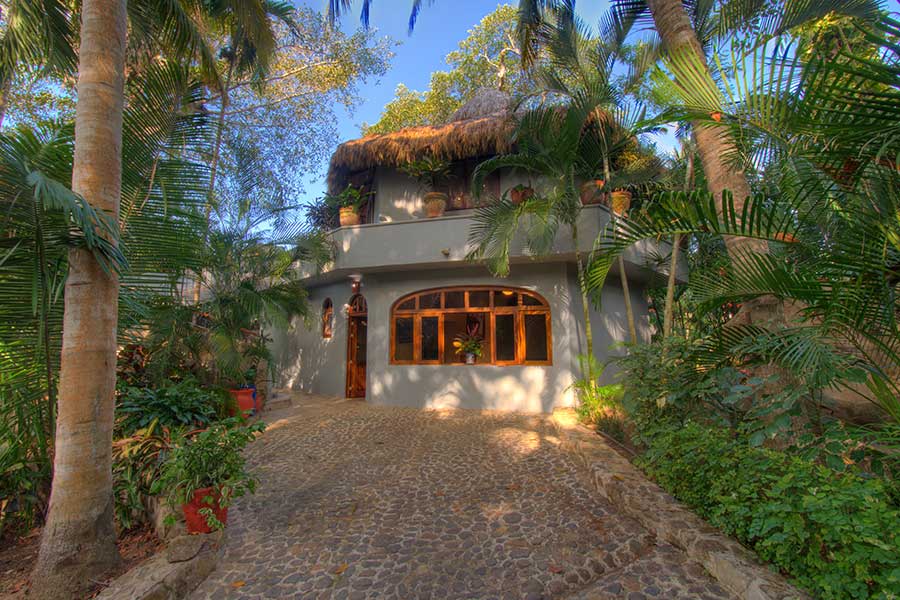
If your priority is simplicity, a house usually wins. You are buying a finished asset, not a future plan. That reduces uncertainty in several ways.
First, you can evaluate what already exists. The structure, lot, views, access, surrounding homes, and neighborhood feel are right in front of you. There is less guesswork about what the property could become because you are purchasing what it already is.
Second, financing your time matters as much as financing your purchase. Many international buyers underestimate how much energy a build requires. Even with excellent local support, building means making choices about design, materials, utilities, drainage, labor, and timelines. If you live in the US and visit Mexico only a few times a year, every delay can feel longer.
Third, a house can often move into personal use or rental use faster. In markets where vacation rentals are part of the ownership strategy, that timing can make a real difference. A turnkey or lightly updated home may begin offsetting ownership costs much sooner than land that still needs years of planning and construction.
That said, the easier path is not always the cheaper one. In high-demand areas, a well-located finished home may carry a premium, especially if it has strong rental appeal or updated amenities buyers do not want to build from scratch.
Why buying land in Mexico can be worth it
Land appeals to buyers who want control. If you have a clear vision, patience, and the right local team, buying land can create value that a resale home cannot.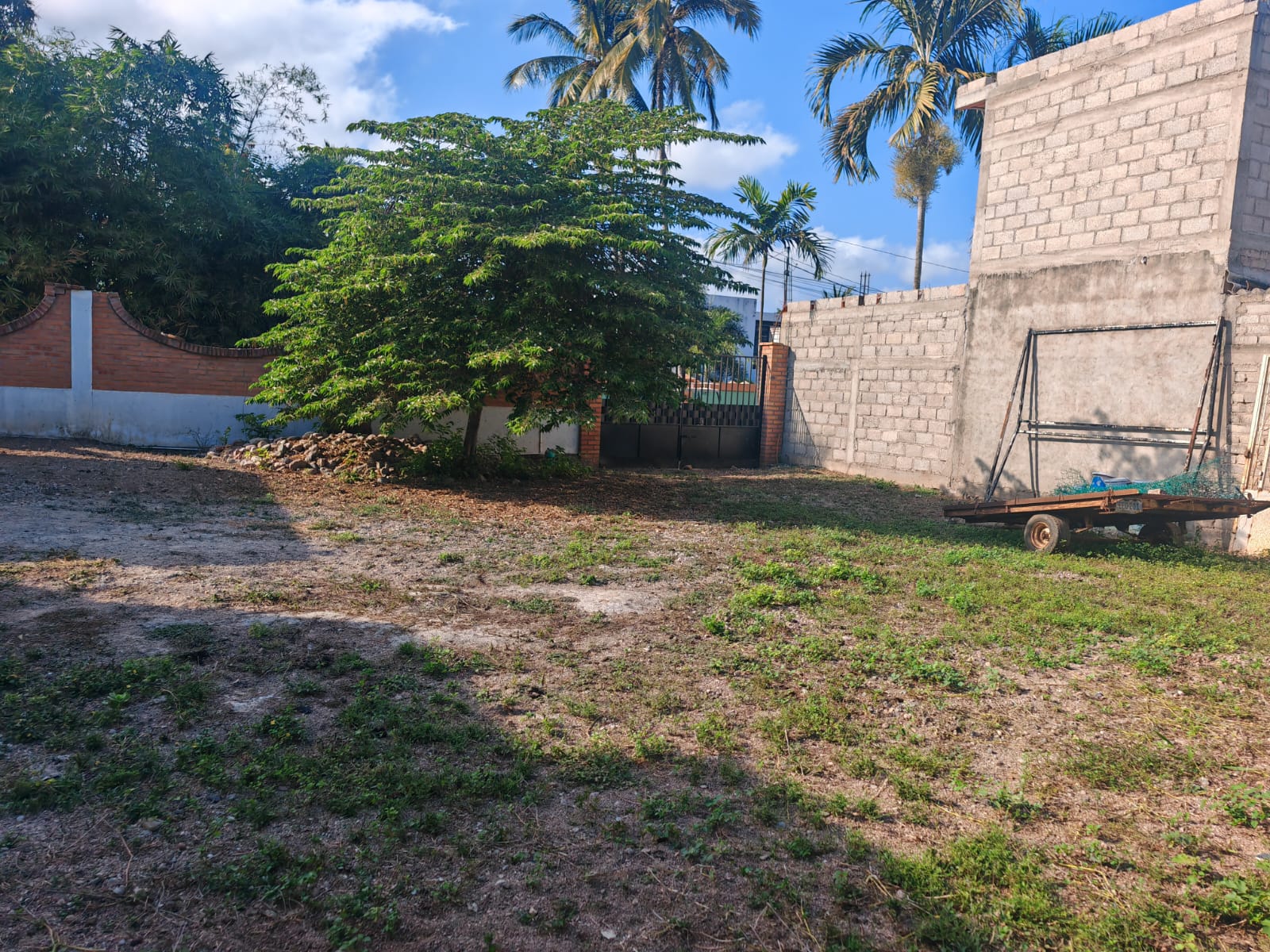
The biggest advantage is customization. You choose the layout, the orientation toward views or breezes, the number of bedrooms, outdoor living spaces, and the overall style. Buyers who have looked at many existing homes often reach a point where none of them feels quite right. Land gives them a clean slate.
There can also be an upside in basis and appreciation, depending on the parcel, the location, and what you build. A strong lot in an area with long-term demand may let you create a property tailored to both personal enjoyment and future resale. In some cases, buyers are willing to accept a longer runway because they believe the finished product will better match the market than older inventory.
But land only works well when buyers are realistic. Raw land is not passive. You need to understand access, topography, utilities, zoning or land use considerations, environmental restrictions, and the practical cost of construction. The purchase price of the lot is just the first number, not the real number.
The hidden gap between lot price and total project cost
This is where many comparisons go wrong. A buyer sees land listed at a lower price than a nearby house and assumes land is the bargain. Sometimes it is. Often, it is simply the beginning of a more expensive process.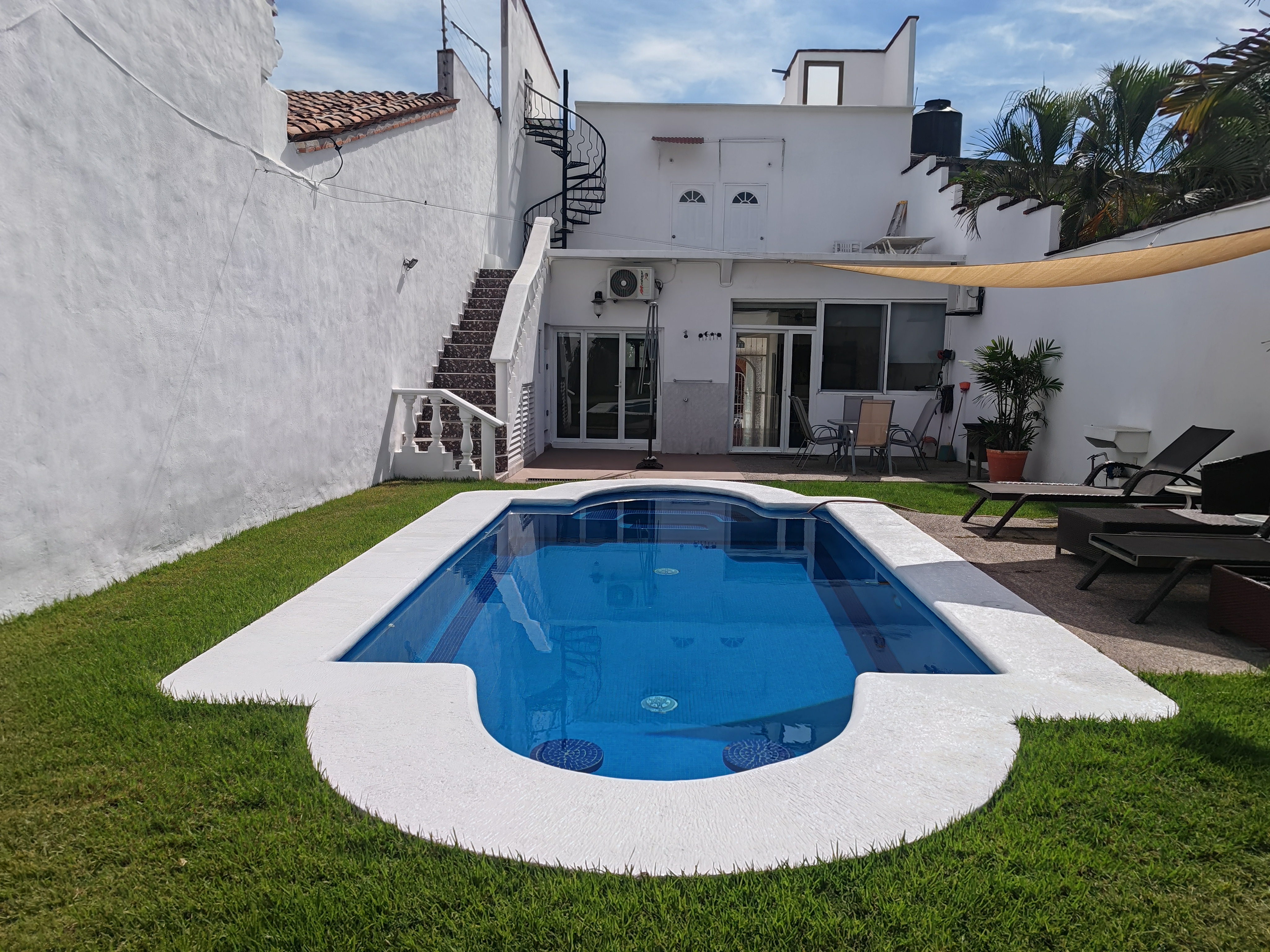
When comparing buying land vs house in Mexico, you have to look beyond acquisition cost. Building may require surveys, architectural plans, engineering, permits, site preparation, utility connections, retaining walls, drainage solutions, and project oversight. Coastal locations can add complexity due to weather exposure, soil conditions, and infrastructure limitations.
Then there is the cost of time. If construction takes longer than expected, you are still paying taxes, maintenance on the lot, travel expenses, and management costs while waiting for the property to become usable. For buyers planning to generate vacation rental income, a delayed delivery can affect the economics significantly.
This does not mean building is a bad idea. It means the comparison has to be honest. A completed house may cost more upfront but less in stress, delay, and surprise expenses.
Risk looks different with land and with houses
Every property purchase carries risk, but the risks are not the same.
With a house, the main risks tend to be condition-related and operational. You may discover deferred maintenance, outdated systems, or renovation needs beyond what was obvious at first glance. If you plan to rent it, you also need realistic income assumptions and a clear plan for property management.
With land, the risk is more developmental. Can you build what you imagine? How much site work is necessary? Is water access straightforward? What is the realistic construction budget in that specific area and season? How dependable is the builder team? If any of those pieces shift, your project can become more expensive or slower than planned.
For many second-home buyers, especially those purchasing from abroad, the biggest risk is not legal or technical. It is underestimating complexity. The more custom the project, the more moving parts there are to manage.
Which option fits different types of buyers?
If you want a home for near-term personal use, a house is usually the better fit. You can enjoy the property sooner, understand the finished product before you buy, and avoid the long stretch between purchase and move-in.
If your priority is rental income in the short to medium term, a house often makes more sense as well. Even if the property needs updates, the path to revenue is generally faster than buying land and building.
If you are a design-driven buyer with a longer timeline, land may be the right move. This is especially true if you have built before, are comfortable making decisions remotely, and care deeply about getting the home exactly right.
If you are buying primarily for appreciation, it depends on the specific parcel or house. A well-bought lot in the right location can perform very well, but a move-in-ready home in a tightly supplied market can also hold value strongly. Broad rules are less useful than local analysis.
In places like Riviera Nayarit, this is where local guidance matters. Two properties can look comparable online and turn out to have very different development potential, rental value, or ownership demands once you understand the details on the ground.
What to review before you decide
A smart decision starts with matching the property type to your actual lifestyle. If you are busy, live full-time in the US, and want a place to enjoy soon, be careful about talking yourself into a build just because the lot seems like a deal.
If you are drawn to land, ask deeper questions early. What can be built there in practical terms, not just theoretical terms? How long will approvals and construction likely take? What are typical costs for the kind of home you want, at the quality level you expect? Who will oversee the process when you are not in town?
If you are leaning toward a house, look just as carefully at functionality. Does the layout fit how you will really live? Is the location strong year-round or only seasonally attractive? If you plan to rent it, is it set up for that use, or will it need meaningful upgrades to compete?
The best purchases are usually the ones that feel clear, not the ones that require buyers to stretch into a version of ownership they do not actually want.
At Galván Real Estate and Services, we often see buyers become more confident once they stop asking which option is universally better and start asking which option is better for them. That is the question that leads to fewer surprises and better decisions.
A house gives you immediacy. Land gives you possibility. If you choose with open eyes, either one can lead to the kind of life in Mexico you are hoping to build.
To find your dream property in Riviera Nayarit, contact the team at Galvan Real Estate and Services via email Director@GalvanRealEstateandServices.com or by phone at +52 327 275 0233.
